Why the Early Years Workforce Matters More Than Ever
Knowledge Guide
Category: Early Years
Published: 30 June 2026
Last Updated: 30 June 2026
Reading Time: 6 minutes
Based on: Department for Education, Early Years Foundation Stage Framework, Early Years Alliance and NHS Start for Life guidance.
School readiness is one of the most important conversations in education today.
Yet it is often misunderstood.
Many people think school readiness is about whether a child can recognise letters, count to ten or write their name before starting Reception.
In reality, it begins much earlier than that.
School readiness starts from birth and is shaped by every interaction, every conversation and every relationship a child experiences during their earliest years.
As children’s needs become increasingly complex and expectations around early education continue to grow, one thing is becoming clear.
The quality of the early years workforce has never been more important.

Positive early experiences help build the confidence, communication and curiosity children need to thrive.
At a Glance
| 68.3% of children achieved a Good Level of Development at the end of Reception (2024/25). |
| The first five years are the most significant period of brain development. |
| Communication, confidence and emotional wellbeing are key indicators of school readiness. |
| Strong relationships with trusted adults underpin children’s development. |
School Readiness Is More Than Learning the Alphabet
When children arrive at school, they bring much more than academic knowledge.
They bring confidence.
Curiosity.
Language.
Friendships.
Emotional resilience.
These are the foundations that enable learning to happen.
Being school ready is not about ticking off a checklist.
It is about children feeling secure enough to explore, communicate and engage with the world around them.
A school-ready child is more likely to:
- Communicate their needs confidently.
- Build positive relationships with adults and other children.
- Follow simple routines.
- Explore new experiences with curiosity.
- Manage emotions appropriately for their age.
- Begin developing early literacy and numeracy skills.
These qualities are built gradually through thousands of everyday interactions with caring adults.

Play is one of the most powerful ways young children develop language, confidence and independence.
Why the Early Years Matter So Much
Research consistently shows that the first five years of life have a lasting influence on educational achievement, wellbeing and future opportunities.
During this period, children’s brains develop more rapidly than at any other stage of life.
Language develops.
Relationships are formed.
Confidence grows.
Children begin learning how to communicate, regulate emotions and solve problems.
These experiences provide the foundations for everything that follows.
Children who experience nurturing, language-rich environments are more likely to:
- Settle confidently into school.
- Develop stronger communication skills.
- Build positive relationships.
- Enjoy learning.
- Achieve better educational outcomes over time.
Conversely, children who begin school without these foundations often require additional support throughout their education.
This is why investment in the early years is increasingly recognised as one of the most effective investments society can make.
💬 Key Insight
School readiness doesn’t begin in Reception. It begins with the conversations, relationships and experiences children have from birth.
The Workforce Behind Every Child’s Success
Behind every confident child is usually a trusted adult.
An early years practitioner who encouraged conversation.
A nursery assistant who built confidence through play.
A key worker who recognised when a child needed reassurance.
These everyday moments rarely make headlines.
Yet they shape children’s futures.
Early years professionals are doing far more than supervising children.
They are:
- Supporting brain development.
- Building communication skills.
- Encouraging independence.
- Developing emotional resilience.
- Creating secure attachments.
- Preparing children for lifelong learning.
The quality of these interactions matters enormously.
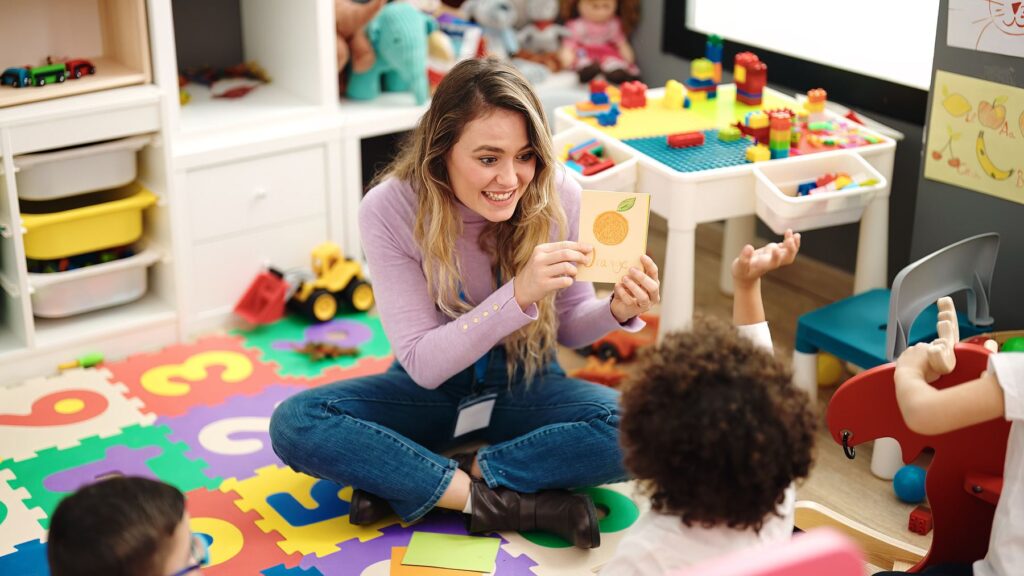
Every meaningful interaction contributes to a child’s development.
Why Recruitment Alone Isn’t Enough
Like many sectors supporting children, early years continues to face workforce challenges.
Recruitment remains difficult.
Retention continues to be a concern.
Demand for childcare is increasing.
However, the answer is not simply recruiting more people.
It is attracting people who genuinely want to build careers supporting children’s development.
People who understand child development.
People who are committed to learning.
People who recognise that the early years are one of the most influential stages of a child’s life.
Moving from simply filling vacancies to developing future professionals will be one of the sector’s biggest opportunities over the coming years.
Why Graduates Have an Important Role to Play
Graduates are bringing fresh knowledge, enthusiasm and ambition into early years settings.
Many are choosing careers in childcare because they want meaningful work while gaining valuable experience that supports future careers in:
- Teaching
- Educational Psychology
- Speech and Language Therapy
- Occupational Therapy
- Child Development
- Education Leadership
Working alongside experienced practitioners, graduates strengthen teams while developing into the future workforce the sector will increasingly rely upon.
Their contribution extends far beyond additional capacity.
They bring curiosity, energy and a genuine commitment to helping children thrive.
Supporting Every Child to Thrive
Every child develops at their own pace.
Every family has different experiences.
Every setting supports children with unique strengths and challenges.
School readiness should never be viewed as a race.
Instead, it should be viewed as a partnership between families, early years providers and schools.
Together, they create the environments that allow children to grow into confident, curious and resilient learners.
Looking Ahead
The early years sector is entering a period of significant opportunity.
Government investment, expanding childcare provision and increasing awareness of child development all have the potential to improve outcomes for children across England.
However, lasting improvement will not be achieved through policy alone.
It will be achieved through people.
Children need caring, knowledgeable and committed professionals who understand that every conversation, every story and every moment of play contributes to a child’s future.
Investing in the early years workforce is ultimately an investment in the next generation.
Key Takeaways
✔ School readiness begins from birth, not just before Reception.
✔ Emotional development, communication and confidence are as important as academic learning.
✔ Early years professionals play a vital role in shaping children’s long-term outcomes.
✔ Building a stable, skilled workforce is essential for improving school readiness.
✔ Graduates can make an important contribution to the future of the early years workforce.
Frequently Asked Questions
What does school readiness mean?
School readiness refers to a child’s overall development, including communication, emotional wellbeing, confidence, social skills and early learning—not simply academic ability.
Why are the early years so important?
The first five years are a critical period for brain development, language acquisition and emotional growth, providing the foundations for future learning and wellbeing.
How can nurseries improve school readiness?
By creating nurturing environments, building strong relationships, encouraging communication through play and working closely with families to support every child’s development.
Further Reading
Department for Education – Early Years Foundation Stage Profile
Early Years Foundation Stage Framework
https://www.gov.uk/government/publications/early-years-foundation-stage-framework–2
Early Years Alliance
NHS Start for Life
https://www.nhs.uk/start-for-life
Accuracy Notice
This Knowledge Guide was last reviewed on 30 June 2026 using the latest available government guidance, official statistics and independent sector research. As national policy and evidence continue to evolve, this page will be reviewed and updated regularly.